<img src="https://www.webtraxs.com/webtraxs.php?id=wt-2c3544fb-2492-42f9-a796-f1d71eaa6afe&amp;st=img" alt="">

The Ultimate Guide to Electrical Discharge Machining (EDM)

Electrical Discharge Machining (EDM) is a non-contact, subtractive manufacturing process that removes material using controlled electrical discharges (sparks) between an electrode and a conductive workpiece—rather than a cutting tool.
 
EDM is often the go-to option when your design requires tight tolerances, sharp internal features, deep cavities, or hard-to-machine alloys—especially when conventional machining methods start introducing tool deflection, burrs, or unnecessary process risk.
 

In a rush? Download a PDF version of the guide


1. What is EDM?

EDM is sometimes referred to as spark machining or spark erosion machining because it removes material through rapidly recurring electrical discharges that thermally erode the workpiece surface.

Unlike conventional machining (where a tool physically cuts the material), EDM’s non-contact approach can help you achieve complex geometries in conductive materials—often with less concern about cutting forces, tool chatter, or tool access limitations.

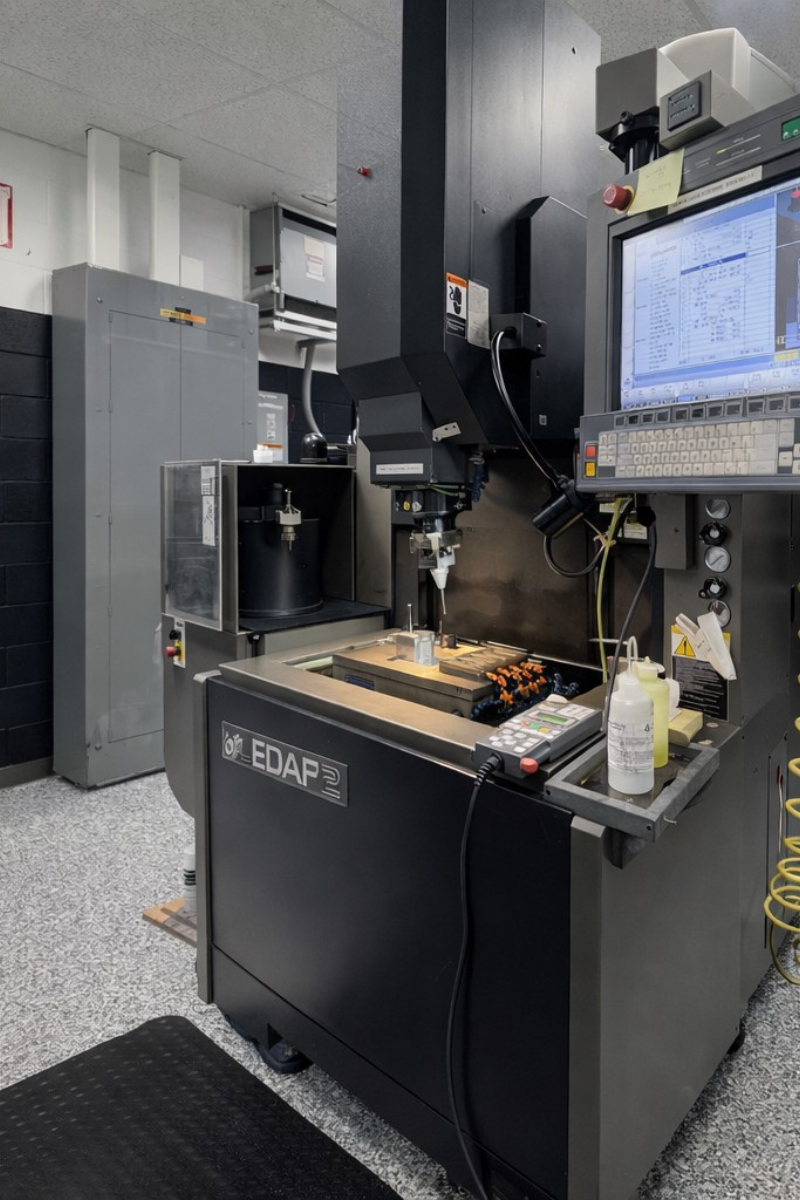
EDM Machine

Common Reasons Engineers Specify EDM

  • Tight tolerances on critical features (including tooling and die components).
  • Sharp internal corners or fine features that are difficult to mill.
  • Hard materials (hardened steels, carbides, exotic alloys) where traditional cutting tools can struggle.

2. How EDM works

At a high level, EDM creates a controlled “spark gap” between an electrode and the workpiece. Electrical energy crosses that gap, generating intense localized heat that melts/vaporizes tiny amounts of material. A dielectric fluid helps control the discharge and flush away eroded particles.


JV-EDM


 If you’re comparing suppliers or processes, ask how the team controls spark parameters and flushing—because those inputs strongly influence surface quality, cycle time, and consistency. 

The EDM Process in Practice

While specifics vary by machine type, most EDM workflows follow a consistent pattern:

  1. Design and programming: CAD defines geometry; CAM (or EDM programming) defines the toolpath.

  2. Setup: Secure the workpiece and select the electrode (wire or formed electrode) based on the desired geometry.

  3. Calibration and parameter selection: Voltage, current, pulse duration, flushing, and other parameters are tuned to balance speed, accuracy, and surface finish.

  4. Machining and flushing: Sparks erode material; dielectric fluid stabilizes the process and carries debris away.

  5. Finishing: Depending on requirements, parts may be deburred, polished, or otherwise finished after EDM.
  

3. Wire EDM vs. Sinker EDM vs. Hole EDM

Wire EDM

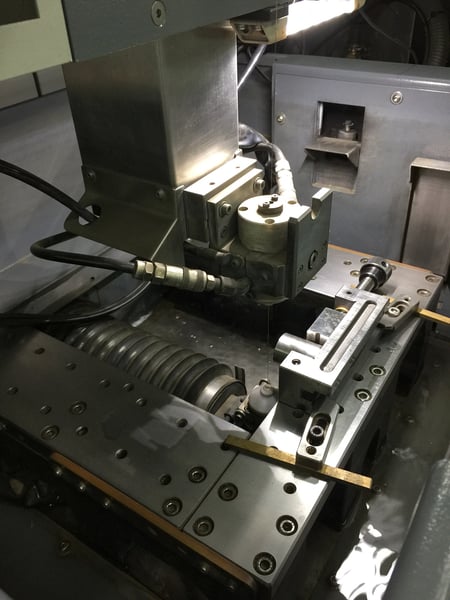
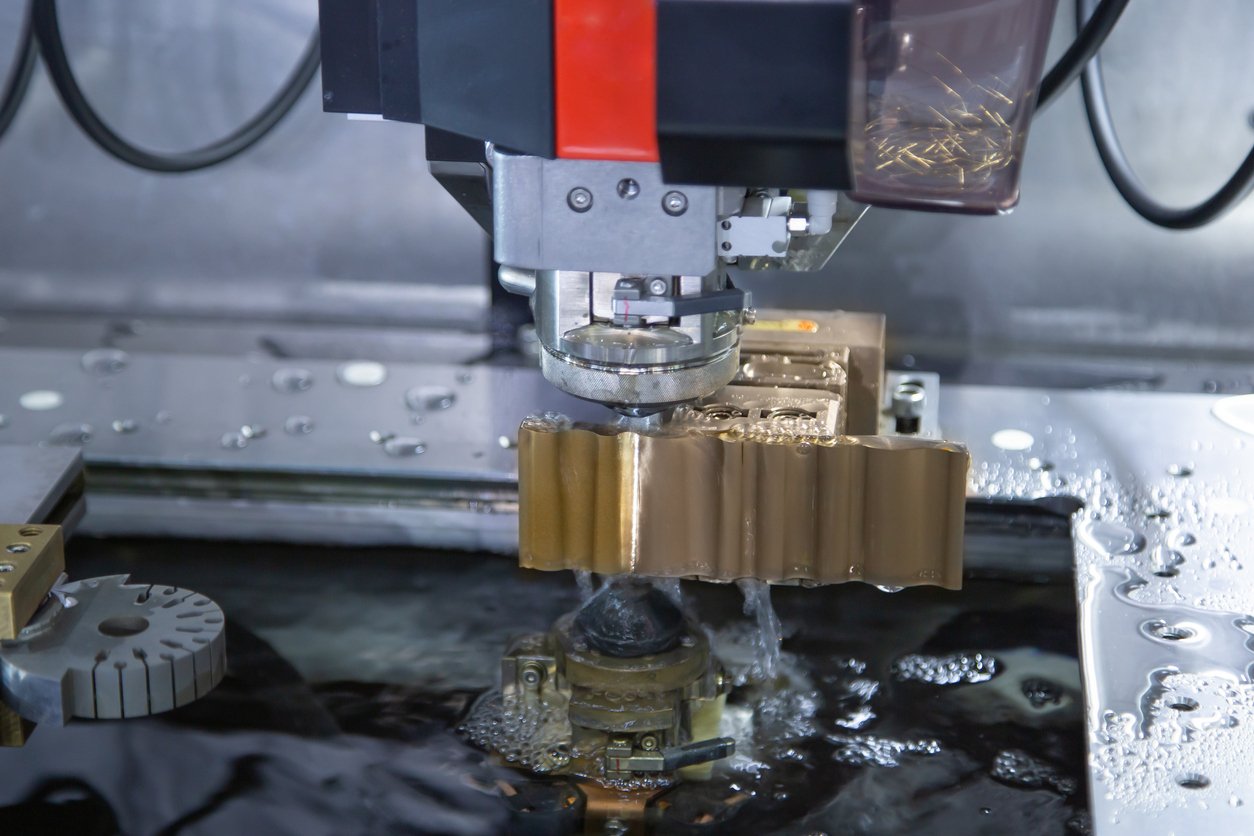
Wire EDM uses a continuously fed wire electrode (commonly brass or tungsten).

The wire is guided along a programmed path to cut the workpiece—often while submerged in dielectric fluid (commonly deionized water in wire EDM). 

What wire EDM is best for:

  • Intricate profiles and sharp internal corners in hardened materials.

  • Tight radii and fine features.

Wire EDM design context (helpful engineering details):

  • Wire EDM commonly uses wire diameters from 0.002" to 0.013" with a controlled gap between wire and workpiece (often around 0.001").

  • The cut width (kerf) is slightly larger than the wire (e.g., a 0.012" wire may produce a kerf around 0.015", depending on settings).
EDM machine
Wire EDM
Wire EDM

Sinker (Ram) EDM

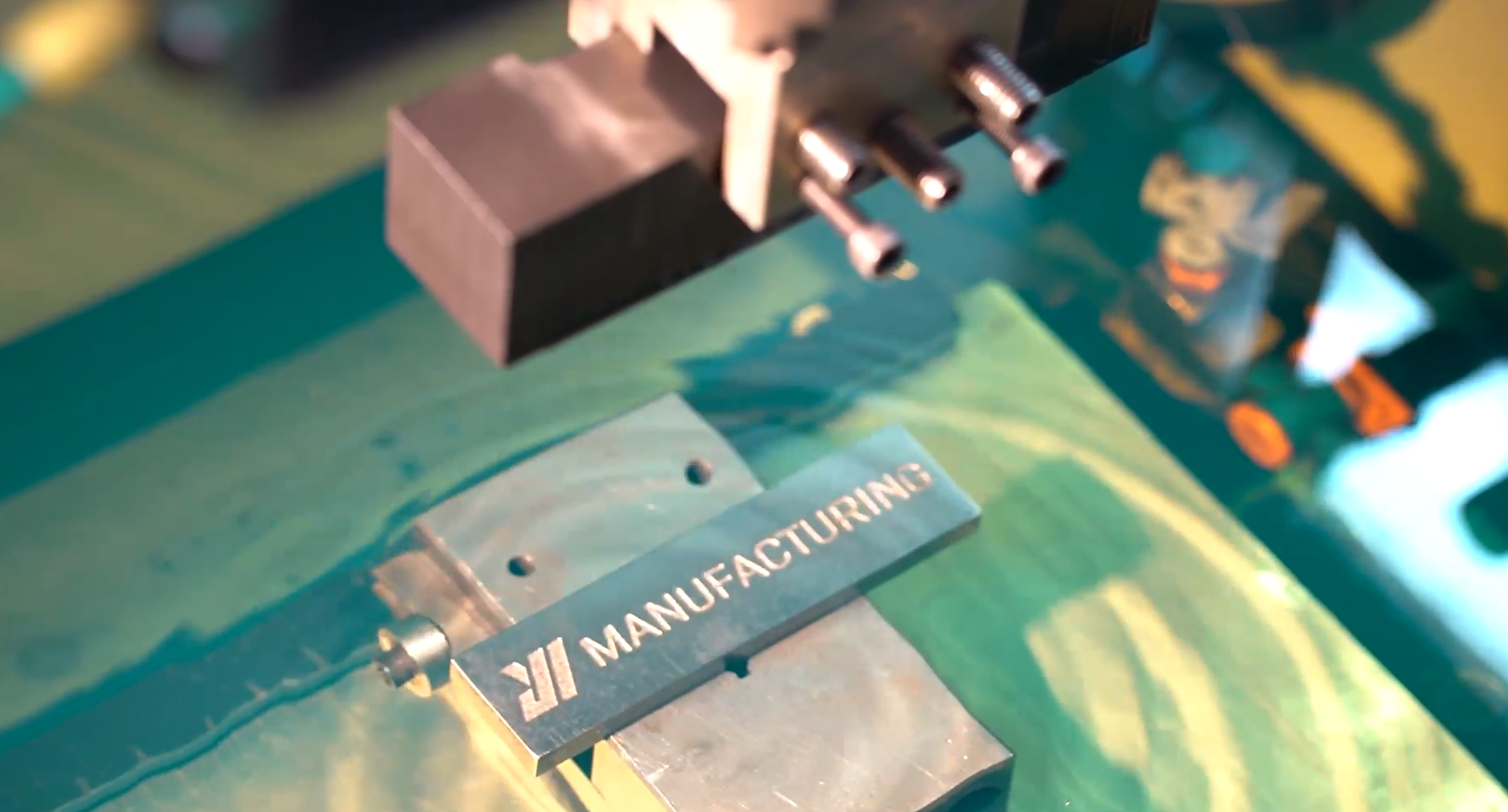
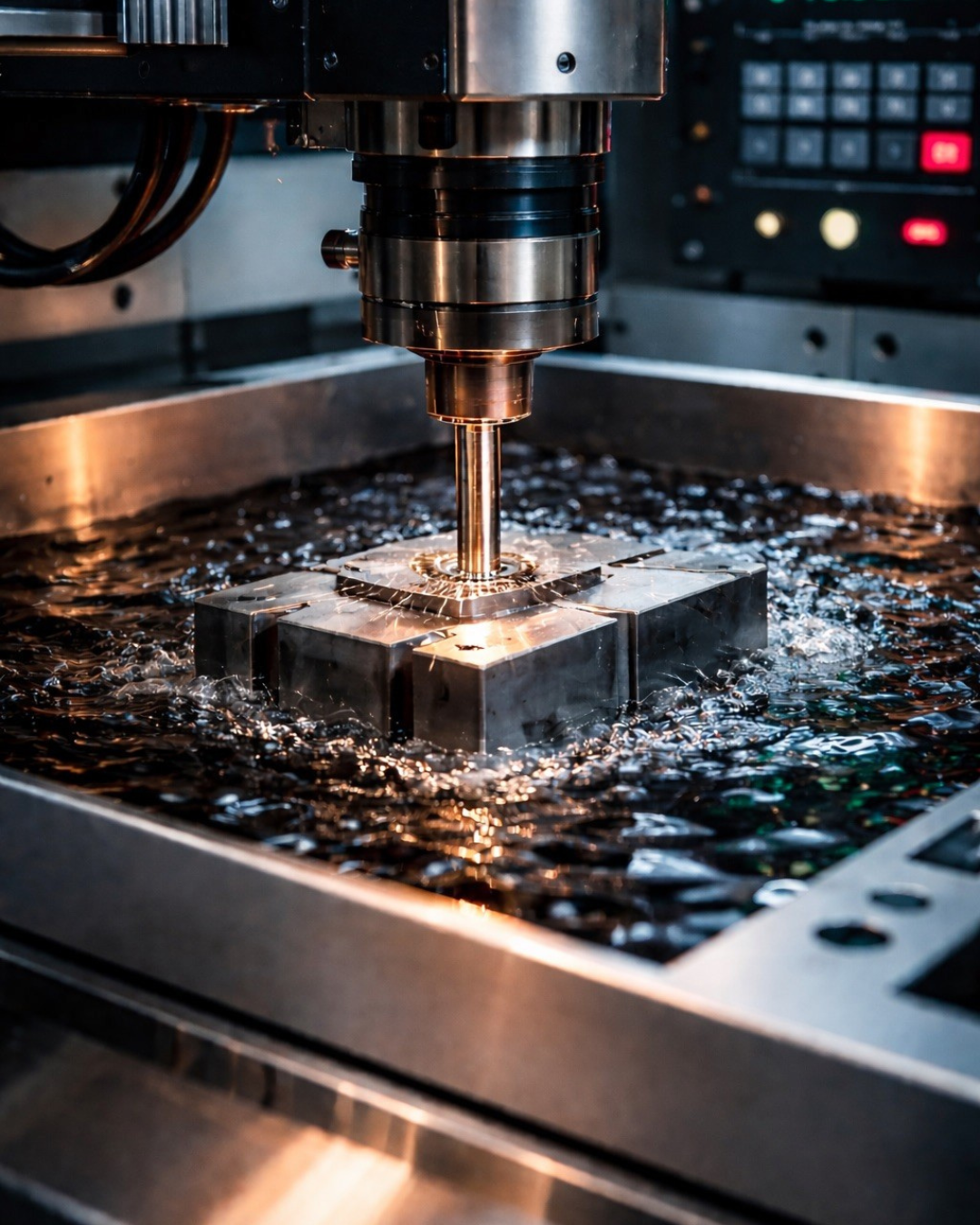
Sinker EDM (also called Ram or die-sinking EDM) uses a custom-shaped electrode (often graphite or copper) to erode a matching cavity into the workpiece. The workpiece is typically submerged in a dielectric fluid such as oil.

What sinker EDM is best for:

  • Complex 3D cavities, grooves, and internal geometries.

  • Tooling and mold features where geometry is driven by function, not cutter access.
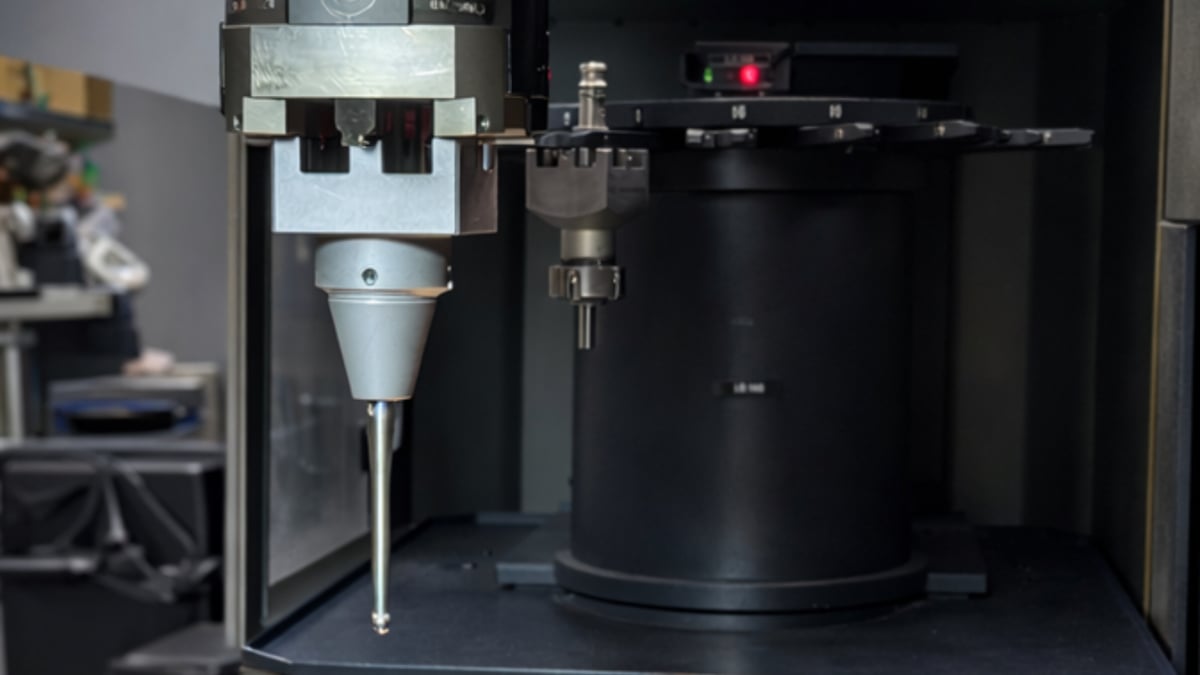
Electrical discharge machining (EDM) wire threader machine
Sinker EDM
EDM Machine

Hole EDM (EDM drilling)

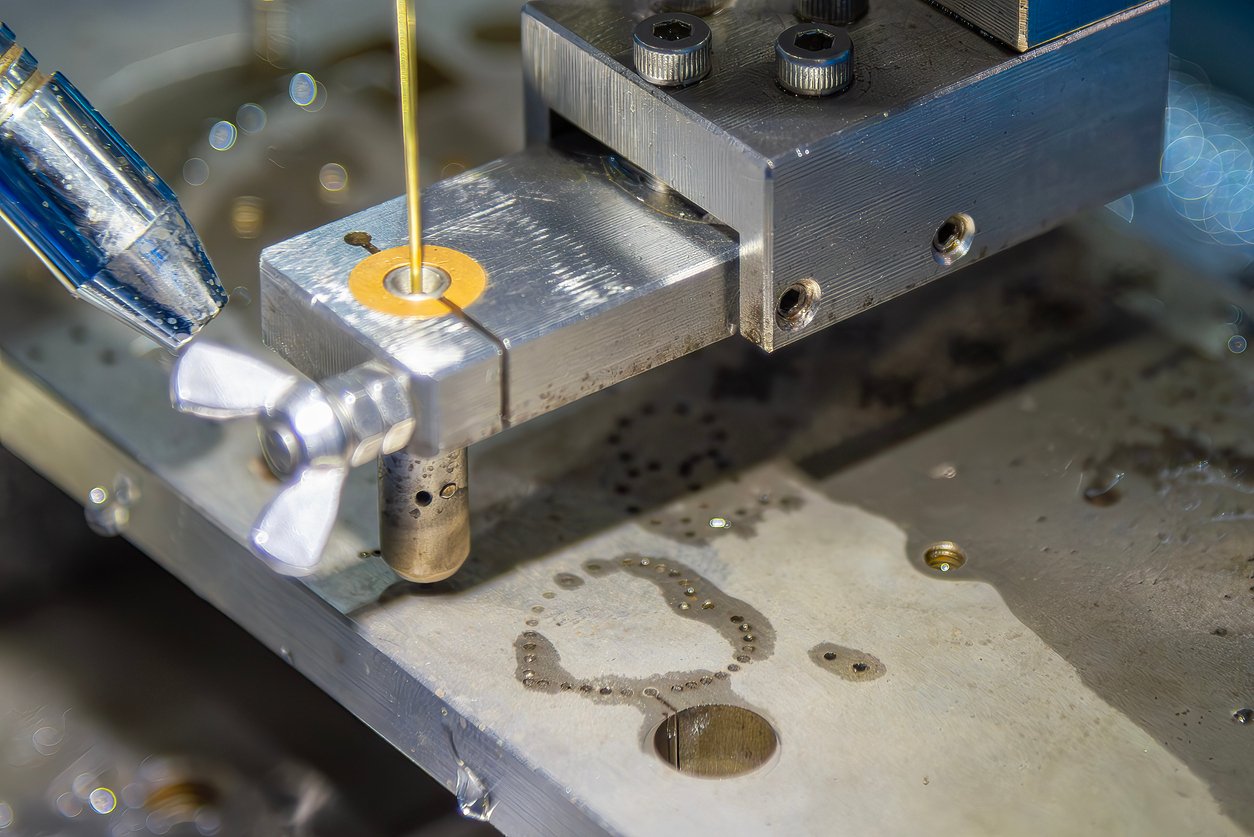
Hole EDM specializes in drilling small, precise holes—often used for cooling channels, starter holes for wire EDM, and micro-hole patterns.

A common reference point: hole EDM can achieve high depth-to-diameter ratios (e.g., up to ~30:1 in some applications), though capability depends on equipment, material, and diameter.

Hole EDM
Hole EDM
Hole EDM
  

4. EDM Capabilities and Common Applications

EDM is widely used where precision and material hardness converge is required—particularly in industries like aerospace, medical devices, electronics, and toolmaking.

Typical EDM applications

  • Aerospace/automotive: intricate engine components and heat-resistant alloys where precision matters.

  • Medical devices: tight-tolerance components and intricate geometries for instruments and implantable devices.

  • Tooling and dies: complex die geometries, sharp internal corners, and repeatability in high-volume production environments.
EDM 1
Hole EDM
Hole EDM
  

5. Choosing Metals and Electrode Materials For EDM

Workpiece Material Compatibility

EDM requires the workpiece to be electrically conductive—EDM can be performed on conductive materials (most commonly metals).

However, conductivity is only the starting point. Machinability in EDM is influenced by a combination of:

  • Electrical conductivity (impacts spark generation/removal rate)
  • Thermal conductivity (affects heat dissipation and surface quality)
  • Resistivity, melting point, and composition (affect stability and finish)
Cathode (3)

Electrode materials (sinker EDM)

For sinker EDM, electrode choice affects wear, accuracy, and surface finish.

Common electrode materials include copper, tungsten, and graphite, selected based on the workpiece material and cavity requirements.

Common EDM Metals 

Steel/tool steels

Generally good EDM machinability; widely used in tooling.

Stainless steels

Good, but often slower removal vs. high-conductivity metals.

Copper alloys (brass)

Excellent conductivity and strong EDM performance characteristics.

Titanium

Generally EDM-capable; often specified in medical applications where conventional machining is challenging.

Carbide

EDM-capable and commonly referenced for tooling and precision components.


6. EDM Tolerances, Radii, and Feature Limits

EDM vs. conventional CNC machining

CNC milling and turning are often faster and more economical for accessible geometries and less demanding features—especially in prototypes and straightforward designs.

EDM becomes a stronger fit when the manufacturing challenge is driven by:

  • Hardness (heat-treated steels, carbides, exotic alloys)
  • Geometry (sharp internal corners, micro-features, deep cavities)
  • Tolerance-critical features that are difficult to hold consistently with cutting forces

EDM vs. ECM

Both EDM and ECM are nontraditional subtractive processes used for precision in conductive materials—but they remove material differently.

  • ECM: uses electrolysis in an electrolyte solution to remove material (non-contact).
  • EDM: uses electrical discharges in a dielectric fluid to erode material via thermal energy (non-contact).

Fluid usage differs as well: ECM uses an electrolyte solution, while EDM commonly uses dielectric fluids (including deionized water in wire EDM or other dielectric fluids, depending on method).


7. EDM vs. CNC Machining vs. ECM

EDM tolerances depend on process type, material, thickness, and whether you’re optimizing for speed or surface finish. For tooling and precision applications, EDM is often used specifically because it supports very tight control where it matters most.

Tolerances by EDM process (reference ranges)

From JV Manufacturing’s published guidance:

  • Wire EDM: ±0.0001" to ±0.0003"; radii as small as 0.0005"
  • Sinker EDM: ±0.0002" to ±0.0005"
  • Hole EDM: ±0.0001"; holes as small as 0.008"

Tighter tooling tolerances can directly influence production stability—reducing part-to-part variation and scrap rates as volume scales.

v22 edm
  

8. Design Tips to Improve EDM Results and Cost

EDM is highly capable, but design decisions still impact cycle time, cost, and outcomes. Use these tips early (during part definition or tooling design) to avoid unnecessary constraints. 

Practical EDM design guidance

1. Specify tight tolerances only where the function requires it 

Over-constraining tolerances increases complexity and cost—especially in small parts and high-precision assemblies.

2. Call out internal radii intentionally

If you require near-square internal corners, wire EDM may be the best path—but the achievable radius is still bounded by process capability and settings.

3. Plan for starter holes (wire EDM)

Many wire EDM profiles require a starter hole or entry strategy; align this with the functional area of the part when possible.

4. Account for kerf and skim strategy

For critical fits, clarify whether finishing passes (“skim cuts”) are required to hit surface/accuracy requirements.


9. Surface Integrity, Finishing, and Quality Control

Because EDM is thermal in nature, it can alter surface integrity depending on parameters, including the potential for a recast layer and heat-affected effects; finishing strategy and process controls are used to manage these outcomes.

Quality control should be integrated throughout the process—using in-process checks and final verification tools such as precision measurement equipment (including CMMs for final verification where applicable).

JV Manufacturing maintains a quality and safety focus supported by ISO 9001:2015 certification and documented quality resources.

Supporting Content
ISO 9001:2015 certification


10. Frequently Asked Questions

Can EDM machine non-metal materials?

EDM requires electrical conductivity to create controlled discharges, so non-conductive materials are generally not EDM-compatible.

What’s the difference between wire EDM and sinker EDM?

Wire EDM cuts profiles using a continuously fed wire electrode; sinker EDM forms cavities using a custom-shaped electrode submerged in dielectric fluid (often oil).

How tight can EDM tolerances be?

Capability varies by process and requirements. Reference guidance includes wire EDM in the ±0.0001" to ±0.0003" range, sinker EDM ±0.0002" to ±0.0005", and hole EDM ±0.0001" with very small hole capability depending on application.

When should I consider ECM instead of EDM?

When your part is conductive, and you need non-contact material removal, ECM may be preferable in certain cases, depending on geometry, surface needs, and production economics—but it operates via electrolysis rather than spark erosion, and uses an electrolyte solution instead of EDM’s dielectric approach.

The other main difference is the quantity of parts: the more parts that need to be produced, the more cost effective ECM becomes.

Back to top
  

11. Talk with an EDM expert

If you’re sourcing EDM for a tooling program or a precision production component, the fastest path to a good outcome is aligning part function, tolerances, material, and process choice early—before you lock specifications that introduce avoidable cost or risk.

Get EDM Input Before You Finalize The Print

Share your drawing and critical requirements. We’ll help you determine whether wire EDM, sinker EDM, hole EDM, ECM, or conventional machining is the right fit for your geometry, timeline, and cost targets.